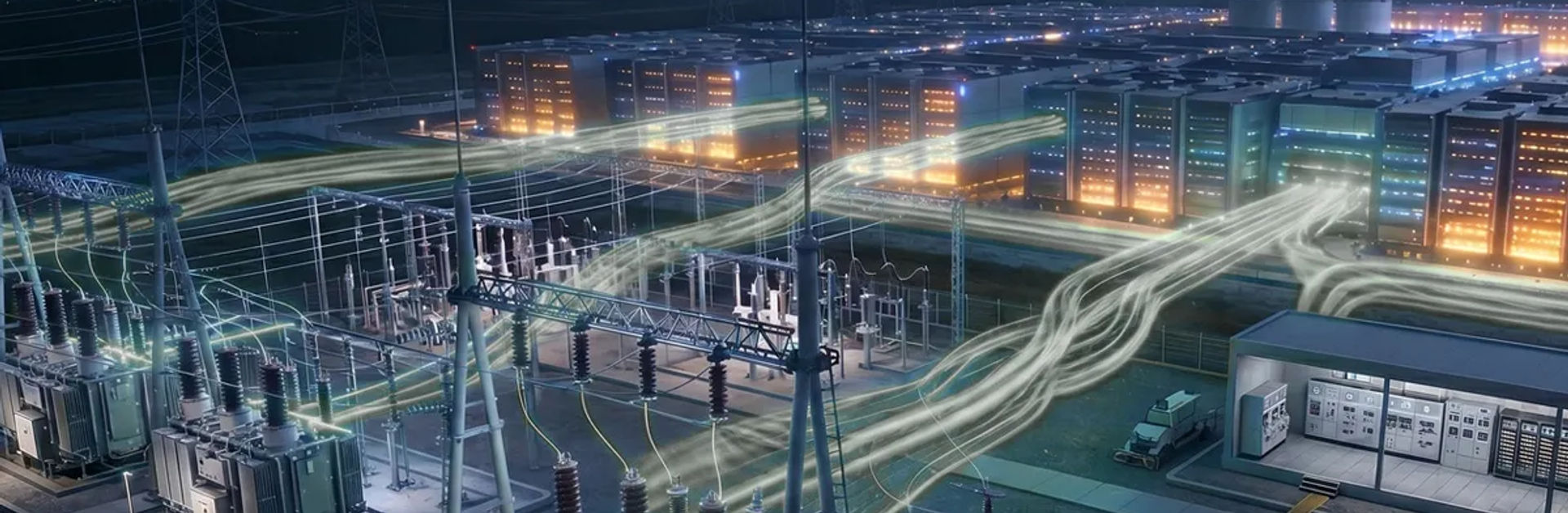
Electronic components, especially memory chips, became scarce in 2026 because the world’s memory makers shifted factory capacity to High Bandwidth Memory (HBM) for AI data centers. As a result, the supply of DRAM and NAND for phones, laptops and industrial devices has shrunk, prices have surged and order lead times have stretched. Indonesia is feeling the impact, from smartphone prices in retail stores to production costs at local electronics makers.
This crisis is different from the chip shortage of the pandemic years. It was not caused by factories shutting down, but by a business choice: memory makers are prioritizing AI customers that pay far higher margins. This article explains why it happened, how big the impact is, and what Indonesian businesses can do about it.
Why Is AI Causing a Memory Chip Shortage?
AI is causing a memory chip shortage because AI accelerators such as Nvidia GPUs need huge amounts of HBM, and HBM is made on the same factory capacity as regular DRAM. According to an IntuitionLabs report that compiles TrendForce and Tom’s Hardware data, HBM consumes roughly three times the wafer capacity of DDR5 for every gigabyte produced. Every wafer shifted to HBM is one less wafer for phone and laptop memory.
The scale keeps growing. The same report cites a TrendForce estimate that HBM will take about 22% of DRAM wafer input at the three largest suppliers by the end of 2026, rising to 30% in 2027.
The problem is that only three companies control the world’s memory supply: Samsung, SK hynix and Micron. All three describe their 2026 HBM output as effectively sold out, and new plants such as SK hynix’s facilities in Indiana and Yongin are not expected to reach volume production until around 2028 to 2029. In other words, no major new supply is coming soon.
How Bad Is the Memory Price Surge in 2026?
The 2026 memory price surge is one of the sharpest in the industry’s history. The figures below are compiled from IntuitionLabs, which cites TrendForce and other market sources.
| Indicator | Figure | Note |
|---|---|---|
| Conventional DRAM contract price, Q1 2026 | Up 93% to 98% quarter over quarter | Realized, TrendForce |
| DRAM contract price, Q3 2026 | Up 13% to 18% quarter over quarter | TrendForce forecast, slower growth on an already high base |
| Spot price of a 36GB HBM3E module, September 2026 | About USD 2,100 | Four to five times the long term contract price |
| 32GB DDR5 kit, US retail, August 2026 | USD 402 | USD 110 to 140 a year earlier |
| HBM contract price, 2027 | Expected to rise more than 50% | Analyst forecast, not yet realized |
The pattern is clear: the biggest jump came in early 2026, and increases slowed in the second half of the year. But prices are not falling, and most forecasts show the market staying tight through 2027.
What Does the Shortage Mean for Indonesia?
Indonesia is one of the more exposed markets because electronics sales here still rely on entry level and mid range products, where memory costs hit hardest. Bisnis.com, citing IDC and Counterpoint Research, reports that memory makes up 15% to 20% of the component cost of a mid range phone, but only 10% to 15% of a flagship. The cheaper the device, the harder the memory price shock lands.
The impact is already visible in market data. The same report notes that smartphone shipments in Indonesia fell 9% year on year in Q1 2026, local price increases ranged from 7% to 45%, and the segment under USD 150 dropped 19%. Meanwhile, the premium segment above USD 600 grew 30%.
The same pressure applies well beyond smartphones. Three groups feel it most:
- Local electronics makers and assemblers. Producers of set top boxes, IoT devices, CCTV and industrial panels must buy memory at new prices, while their own selling prices cannot rise as quickly.
- Data center builders and cloud providers. Demand for data centers in Indonesia is growing, but servers with large memory configurations now cost more and take longer to arrive.
- Tech SMEs and repair shops. Component stores and upgrade services see RAM and SSD module prices change almost every week.
Currency adds another layer. Components are bought in US dollars, so a weaker rupiah stacks extra cost on top of the global supply crunch.
How Can Businesses Cope With the Shortage?
Businesses can cope by treating memory as a supply chain risk rather than an ordinary component. These five steps are the ones procurement teams use most often to get through this crisis.
- Audit the bill of materials (BOM). Flag every DRAM, NAND and server memory part, then rank them by shortage risk and production impact.
- Build in alternatives at the design stage. Qualify more than one memory density or brand where the board allows it, so production does not stop when one part becomes hard to find.
- Buy earlier and in steady batches. Waiting for prices to fall has not worked in this cycle. Staggered purchases help spread the risk of price spikes.
- Use independent distributors, with strict verification. When franchised channels run out, independent distributors can fill gaps from global stock. Win Source, a global electronic components distributor that specializes in hard to find and obsolete parts, offers an IT infrastructure memory category that can be used to compare availability. Always ask for traceability documents and inspection records before buying, because the risk of counterfeit parts rises when the market is tight.
- Consider the previous generation. For many industrial and embedded products, older memory generations or smaller capacities are good enough and much easier to source.
The 2026 memory crisis teaches one lesson: the companies that hold up best are not the ones with the biggest budgets, but the ones that build flexibility into their designs and supply chains the fastest.
Frequently Asked Questions
Why are RAM prices rising in 2026? Because memory makers have shifted factory capacity to HBM for AI data centers. HBM needs about three times the wafer capacity of DDR5 per gigabyte, so the supply of DRAM for phones, laptops and regular servers has shrunk.
How long will the memory chip shortage last? Most forecasts show the market staying tight through 2027. New HBM plants from SK hynix are not scheduled for volume production until around 2028 to 2029, and IDC expects memory price pressure to last until at least 2028.
What is HBM? HBM (High Bandwidth Memory) is a type of memory built by stacking several DRAM chips vertically. Its bandwidth is far higher than regular RAM, which is why it is used in GPUs and AI accelerators.
Are smartphone prices in Indonesia rising too? Yes. Counterpoint Research data cited by Bisnis.com shows price increases in the Indonesian market ranging from 7% to 45%, with the entry level segment hit hardest.
Where can manufacturers find memory components when official stock runs out? Besides franchised distributors, manufacturers can use independent distributors that carry global stock. The key is verification: ask for traceability documents and inspection records to avoid counterfeit parts.